


How can I choose the best Single Low - E Glass for my project?
Sep 30, 2026
Leave a message
Hey there! If you're working on a project and trying to figure out how to choose the best single low - E glass, you're in the right place. I'm a supplier of single low - E glass, and I've got some tips and tricks to share with you.
First off, let's talk about what single low - E glass is. Low - E stands for low - emissivity. This type of glass has a special coating that helps to reduce the amount of heat transfer through the glass. It can keep your indoor space cooler in the summer and warmer in the winter, which is great for energy efficiency.
Understanding Your Project Needs
The first step in choosing the best single low - E glass for your project is to understand your project's specific needs. Are you working on a residential or commercial building? What's the climate like in the area where the building is located?
For residential projects, you might want to focus on comfort and energy savings. Single low - E glass can help reduce your energy bills by keeping your home at a more consistent temperature. If you live in a hot climate, a glass with a high solar heat gain coefficient (SHGC) might be a good choice. This means the glass will let in less heat from the sun, keeping your home cooler. On the other hand, if you live in a cold climate, you'll want a glass with a low SHGC to let in more of the sun's heat.
For commercial projects, energy efficiency is often a top priority. Many businesses are looking to reduce their carbon footprint and save on energy costs. Single low - E glass can be a great solution. You might also need to consider factors like the building's orientation and the amount of natural light you want to let in.
Coating Types
There are different types of coatings available for single low - E glass, and each has its own advantages.
Hard - Coat Low - E Glass: This type of coating is applied during the manufacturing process when the glass is still hot. It's very durable and scratch - resistant. Hard - coat low - E glass is a good choice for applications where the glass might be exposed to a lot of wear and tear, like in storefronts or high - traffic areas.
Soft - Coat Low - E Glass: Soft - coat low - E glass has a more delicate coating that is applied after the glass is manufactured. It offers better energy performance than hard - coat glass, especially in terms of reducing heat transfer. However, it's more prone to scratching and needs to be handled with care. Soft - coat low - E glass is often used in residential windows and doors.
Performance Ratings
When choosing single low - E glass, it's important to look at the performance ratings. Here are some key ratings you should consider:
U - Factor: The U - factor measures the rate of heat transfer through the glass. A lower U - factor means better insulation. If you're in a cold climate, you'll want a glass with a low U - factor to keep the heat inside.
Solar Heat Gain Coefficient (SHGC): As mentioned earlier, the SHGC measures how much solar heat is transmitted through the glass. A lower SHGC means less heat is coming in from the sun.
Visible Transmittance (VT): This measures the amount of visible light that passes through the glass. If you want a lot of natural light in your space, you'll want a glass with a high VT.
Compatibility with Other Glass Products
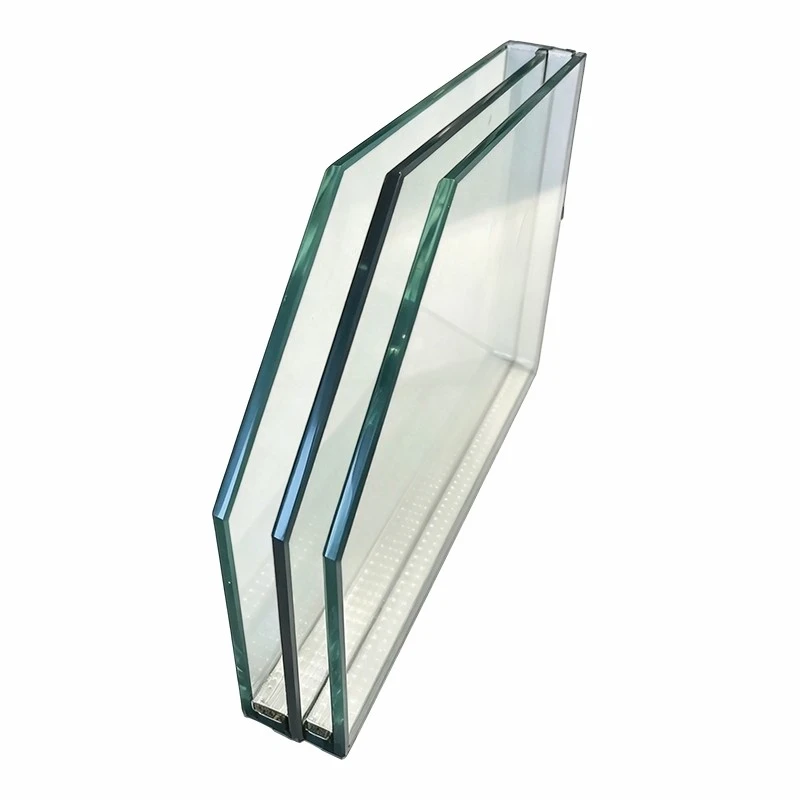
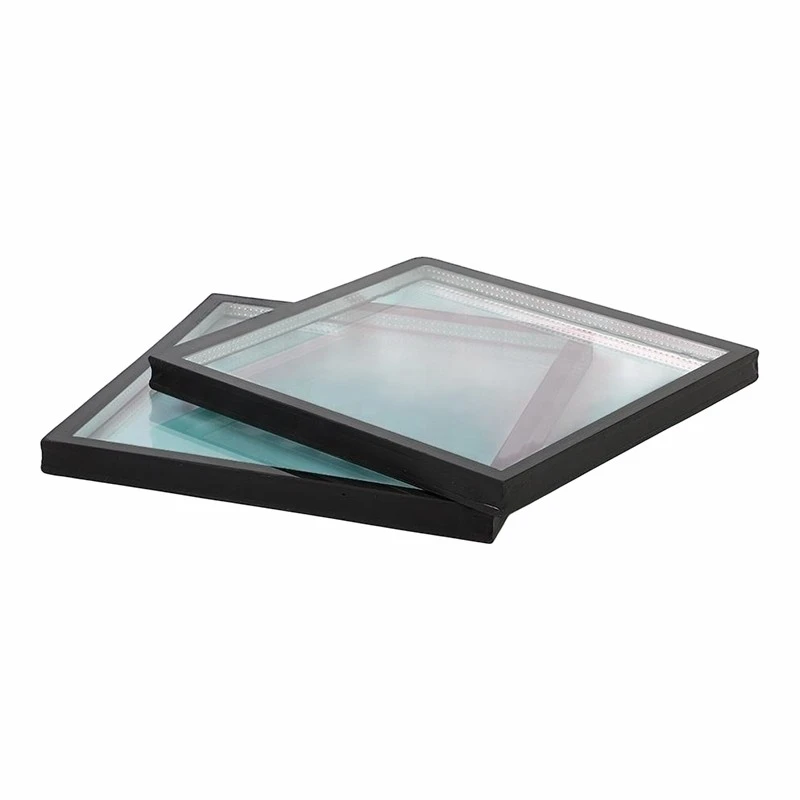
Single low - E glass can often be used in combination with other glass products to enhance its performance. For example, you might consider using it in an Acoustic IGU. An acoustic insulated glass unit (IGU) can help reduce noise transmission, which is great if your building is located in a noisy area.
Argon Filled Glass is another option. Argon is an inert gas that can be filled between the panes of glass in an IGU. It helps to improve the insulation properties of the glass, reducing heat transfer even further.
If you need a more durable option, Tempered IGU might be a good choice. Tempered glass is stronger than regular glass and is less likely to break. It's often used in applications where safety is a concern, like in commercial buildings or high - rise apartments.
Energy Efficiency
One of the main reasons people choose single low - E glass is for its energy - saving benefits. Energy Saving Glass is a broad term that includes single low - E glass. By reducing heat transfer, single low - E glass can help lower your heating and cooling costs.
In the summer, it can block the sun's heat from entering your building, reducing the need for air conditioning. In the winter, it can keep the warm air inside, reducing the need for heating. Over time, these energy savings can really add up.
Aesthetic Considerations
Don't forget about the look of the glass. Single low - E glass comes in different colors and tints, so you can choose one that matches the design of your project. If you want a more modern look, clear or lightly tinted glass might be a good choice. If you're going for a more traditional look, you might prefer a darker tint.
You also need to consider how the glass will look from both the inside and the outside of the building. Some low - E coatings can cause a slight reflection, which can be either a benefit or a drawback depending on your preferences.
Cost
Cost is always a factor when choosing materials for your project. Single low - E glass is generally more expensive than regular glass, but the energy savings over time can often offset the initial cost.
You'll need to balance the cost with the benefits. If energy efficiency is a top priority for your project, the extra cost of single low - E glass might be worth it. However, if you're on a tight budget, you might need to consider other options or look for ways to reduce the cost, like using a less expensive coating or a smaller amount of glass.
Installation and Maintenance
Proper installation is crucial for getting the most out of your single low - E glass. Make sure you hire a professional installer who has experience working with this type of glass. A poorly installed window or door can lead to air leaks and reduced energy efficiency.
Maintenance is also important. Soft - coat low - E glass requires more careful cleaning to avoid scratching the coating. You should use a mild detergent and a soft cloth to clean the glass.
Making the Decision
To choose the best single low - E glass for your project, you need to consider all of these factors: your project needs, coating types, performance ratings, compatibility with other glass products, energy efficiency, aesthetic considerations, cost, and installation and maintenance.
If you're still not sure which type of single low - E glass is right for you, don't hesitate to reach out. As a single low - E glass supplier, I'm here to help you make the best decision for your project. You can contact me to discuss your specific needs and get more detailed information about our products.
Remember, choosing the right single low - E glass can make a big difference in the comfort and energy efficiency of your building. So take the time to do your research and make an informed decision.
References
- Glass Association of North America. (n.d.). Technical information on glass products.
- International Window Film Association. (n.d.). Low - emissivity glass and its benefits.
Send Inquiry