


How does Laminated IGU prevent condensation?
Nov 27, 2026
Leave a message
Condensation on glass surfaces is not only an aesthetic nuisance but can also lead to more serious problems such as mold growth, damage to window frames, and reduced insulation efficiency. As a leading supplier of Laminated Insulated Glass Units (IGUs), we understand the importance of preventing condensation and are here to explain how our products offer an effective solution.
Understanding Condensation
Before delving into how Laminated IGUs prevent condensation, it's essential to understand what causes it. Condensation occurs when warm, moist air comes into contact with a cold surface. The air cools rapidly, and its ability to hold water vapor decreases, causing the vapor to turn into liquid water. In the context of windows, this often happens when the indoor air is warm and humid, and the outdoor temperature is significantly lower. The glass surface, being in direct contact with the cold outside air, becomes cold, and if the indoor air reaches its dew point when it touches the glass, condensation forms.
The Structure of Laminated IGUs
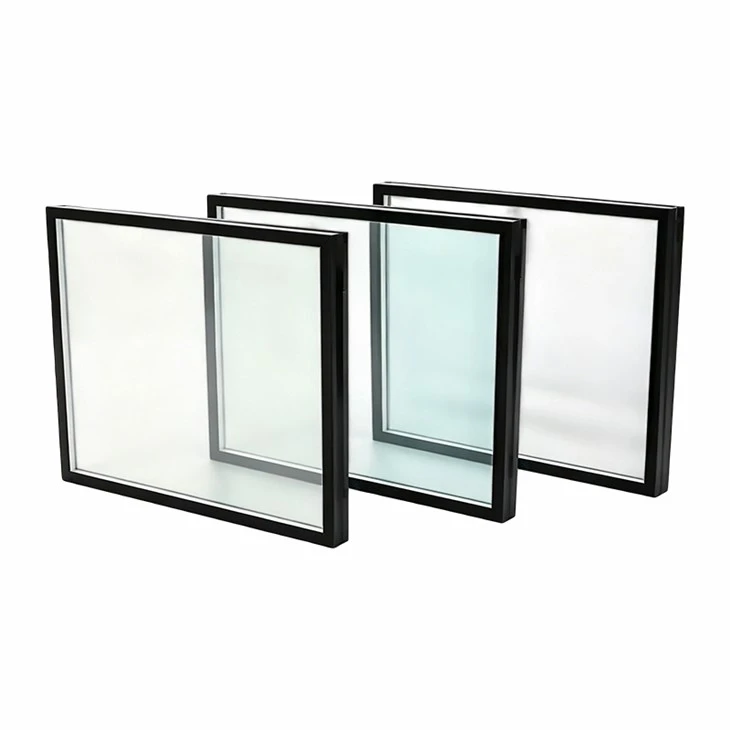
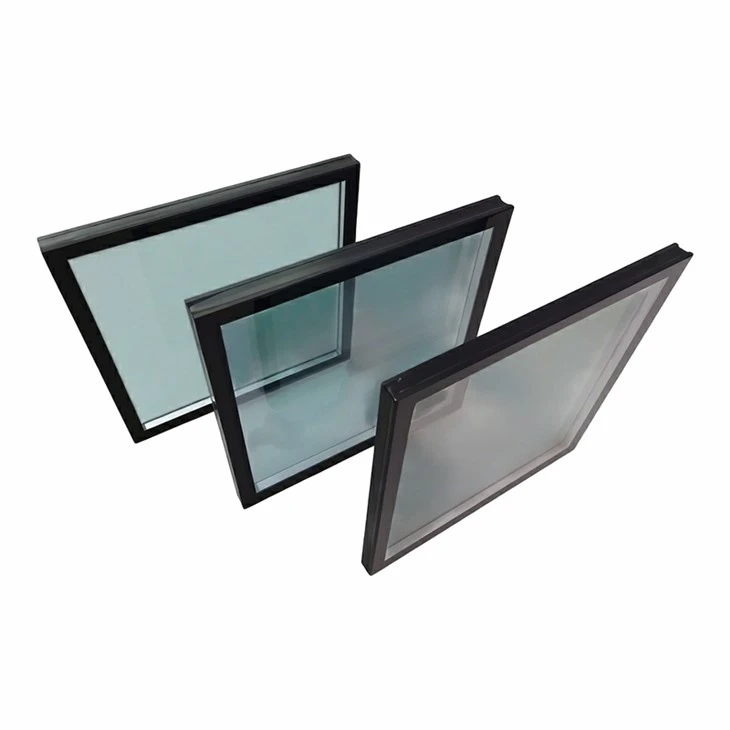
Laminated IGUs consist of two or more layers of glass separated by a spacer and sealed around the edges. The space between the glass layers can be filled with air or a gas, such as Argon Filled Glass, which has better insulating properties than air. A layer of polyvinyl butyral (PVB) is sandwiched between the glass layers, which not only provides safety and security benefits but also contributes to the overall thermal performance of the unit.
Thermal Insulation: The Key to Condensation Prevention
One of the primary ways Laminated IGUs prevent condensation is through their excellent thermal insulation properties. The multiple layers of glass and the insulating gas between them create a barrier that reduces the transfer of heat between the indoor and outdoor environments. This means that the glass surface temperature is closer to the indoor air temperature, making it less likely for the indoor air to reach its dew point when it comes into contact with the glass.
The spacer used in Laminated IGUs also plays a crucial role in thermal insulation. Modern spacers are designed to have low thermal conductivity, which further reduces the heat transfer through the edges of the window. This helps to maintain a more uniform temperature across the glass surface, minimizing the risk of local cold spots where condensation is more likely to form.
Low-E Coatings
Many of our Laminated IGUs are equipped with Low-E (low-emissivity) coatings. These coatings are microscopically thin, virtually invisible, and are applied to the glass surface. Low-E coatings work by reflecting heat back into the room, reducing the amount of heat that escapes through the glass. This helps to keep the glass surface warmer, preventing it from reaching the dew point of the indoor air.
There are different types of Low-E coatings available, including Single Low-E Glass. Single Low-E coatings are designed to reflect infrared radiation, which is the primary form of heat transfer through glass. By reflecting this radiation, they reduce the heat loss from the building, which in turn helps to prevent condensation on the glass surface.
Gas Filling
As mentioned earlier, the space between the glass layers in Laminated IGUs can be filled with a gas such as argon. Argon is an inert gas that has a lower thermal conductivity than air. This means that it is a better insulator, reducing the heat transfer between the glass layers. The use of argon gas filling in our IGUs significantly improves their thermal performance, making them more effective at preventing condensation.
In addition to argon, some of our high-performance Laminated IGUs may also use other gases or a combination of gases for improved insulation. For example, Energy Saving Glass may incorporate krypton gas, which has even lower thermal conductivity than argon, providing an extra layer of insulation and better condensation prevention.
Seal Integrity
The integrity of the seal around the edges of the Laminated IGU is crucial for preventing condensation. A proper seal ensures that the insulating gas between the glass layers remains trapped and prevents moisture from entering the unit. Our manufacturing process uses high-quality sealants and advanced sealing techniques to ensure a long-lasting and airtight seal.
If the seal is compromised, the insulating gas can leak out, and moisture can enter the unit. This not only reduces the thermal performance of the IGU but also increases the likelihood of condensation forming between the glass layers. Our strict quality control measures ensure that each Laminated IGU we supply meets the highest standards of seal integrity, providing reliable condensation prevention over the lifetime of the window.
Benefits of Using Laminated IGUs for Condensation Prevention
- Improved Indoor Comfort: By preventing condensation, Laminated IGUs help to maintain a more comfortable indoor environment. There is no need to worry about dripping water, wet sills, or the growth of mold and mildew, which can have a negative impact on indoor air quality.
- Energy Efficiency: The excellent thermal insulation properties of Laminated IGUs reduce the energy required to heat or cool a building. This not only saves on energy costs but also reduces the carbon footprint of the building.
- Long-Term Durability: Our Laminated IGUs are built to last. The combination of high-quality glass, strong seals, and advanced insulation materials ensures that they can withstand the rigors of daily use and environmental conditions, providing long-term protection against condensation.
- Enhanced Safety and Security: The laminated construction of our IGUs provides an additional layer of safety and security. In the event of breakage, the PVB layer holds the glass fragments together, reducing the risk of injury.
Comparing Laminated IGUs with Other Glass Options
While there are other types of glass available on the market, such as Tempered IGU and Triple Glazed Glass, Laminated IGUs offer unique advantages when it comes to condensation prevention.
Tempered IGU is known for its strength and safety features. However, in terms of condensation prevention, its thermal performance may not be as good as that of Laminated IGUs, especially if it does not have the same level of insulation or Low-E coatings.
Triple Glazed Glass, on the other hand, provides excellent insulation due to the additional layer of glass and air or gas space. While it can be very effective at preventing condensation, it is often more expensive and heavier than Laminated IGUs. Laminated IGUs offer a good balance between performance, cost, and weight, making them a popular choice for many applications.
Conclusion
In conclusion, Laminated IGUs are an effective solution for preventing condensation on window surfaces. Their combination of thermal insulation, Low-E coatings, gas filling, and seal integrity work together to keep the glass surface warm and dry, reducing the risk of condensation and its associated problems.
As a leading supplier of Laminated IGUs, we are committed to providing high-quality products that meet the needs of our customers. Whether you are a homeowner looking to improve the comfort and energy efficiency of your home or a builder working on a commercial project, our Laminated IGUs can offer the performance and reliability you need.
If you are interested in learning more about our Laminated IGUs or would like to discuss your specific requirements, please don't hesitate to contact us. We are here to help you find the best solution for your condensation prevention needs and look forward to working with you on your next project.
References
- ASHRAE Handbook - Fundamentals. American Society of Heating, Refrigerating and Air-Conditioning Engineers.
- Glass Association of North America. Technical Standards and Documents.
- National Fenestration Rating Council (NFRC) Product Certification Program.
Send Inquiry