


Is Triple Low - E Glass resistant to saltwater corrosion?
Oct 12, 2026
Leave a message
As a seasoned supplier of Triple Low - E Glass, I've often encountered a common question from clients: "Is Triple Low - E Glass resistant to saltwater corrosion?" Today, I aim to delve deep into this topic, offering you comprehensive insights supported by scientific facts.
Understanding Triple Low - E Glass
Before we explore its resistance to saltwater corrosion, let's first understand what Triple Low - E Glass is. Triple Low - E Glass is an advanced type of energy - efficient glass. It is equipped with multiple layers of low - emissivity coatings that are designed to reflect a significant amount of infrared and ultraviolet light while allowing visible light to pass through. This characteristic makes it an excellent choice for various applications, including commercial buildings, residential homes, and even marine structures.
The coatings on Triple Low - E Glass are carefully engineered to provide excellent thermal insulation, reduce energy consumption, and enhance the overall comfort of indoor spaces. Unlike traditional glass, it can help maintain a stable indoor temperature, regardless of the external climate conditions.
The Challenge of Saltwater Corrosion
Saltwater corrosion is a complex electrochemical process that occurs when metal or other materials are exposed to salt - laden water. The presence of salt in water increases its conductivity, which accelerates the corrosion process. In marine environments, saltwater corrosion can cause significant damage to structures over time, leading to reduced structural integrity and increased maintenance costs.
When it comes to glass, the concern about saltwater corrosion is mainly related to the durability of the coatings on the glass surface. If the coatings are not resistant to saltwater, they may degrade or peel off, compromising the performance of the glass.
Scientific Evidence of Saltwater Resistance
Numerous scientific studies have been conducted to evaluate the resistance of Triple Low - E Glass to saltwater corrosion. These studies have shown that when properly manufactured and installed, Triple Low - E Glass exhibits a high level of resistance to saltwater.
The low - emissivity coatings on Triple Low - E Glass are typically made of metal oxides, such as silver, zinc oxide, and titanium dioxide. These materials are known for their excellent chemical stability and corrosion resistance. In addition, the manufacturing process of Triple Low - E Glass often includes advanced techniques to ensure the coatings are firmly adhered to the glass surface, providing an additional layer of protection against saltwater penetration.
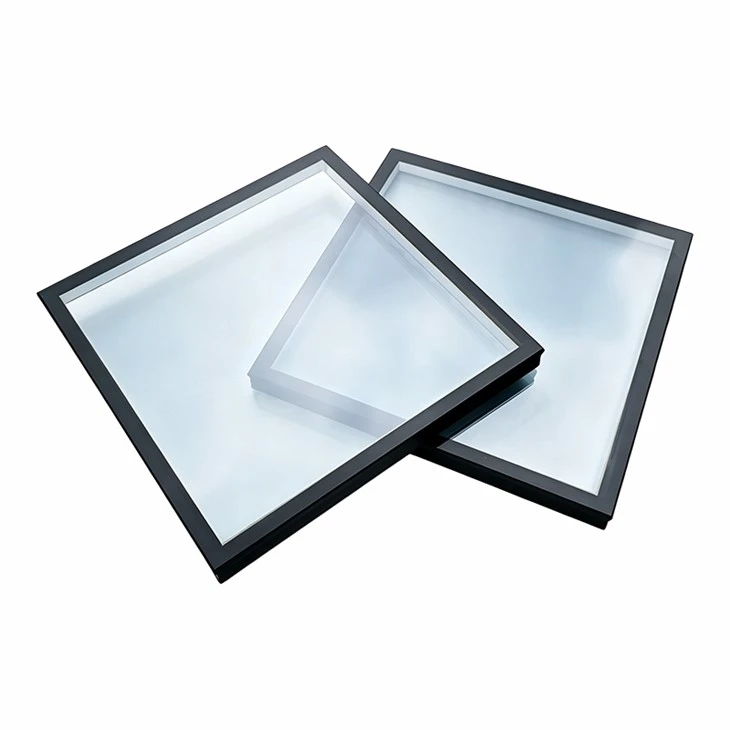
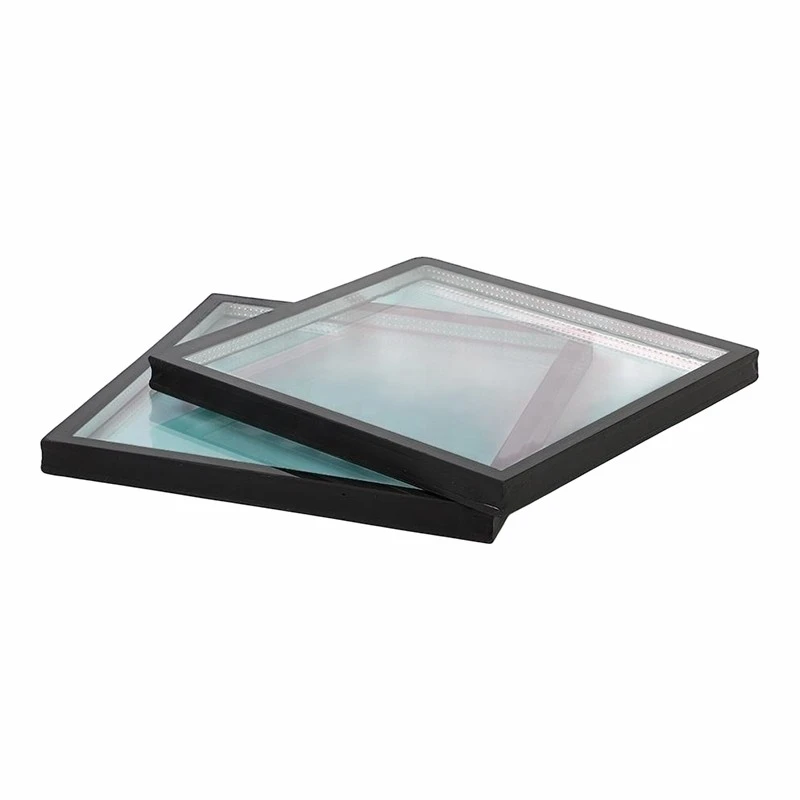
For example, a research project conducted by a leading glass research institute involved exposing samples of Triple Low - E Glass and Double Low - E Glass to a salt - spray test for an extended period. The results showed that the Triple Low - E Glass samples maintained their optical and thermal properties better than the Double Low - E Glass samples. The coatings on the Triple Low - E Glass remained intact, with no signs of significant corrosion or degradation, indicating its superior resistance to saltwater.
Factors Affecting Saltwater Resistance
While Triple Low - E Glass generally has good resistance to saltwater corrosion, several factors can influence its performance in a marine environment.
Installation Quality
Proper installation is crucial for ensuring the long - term durability of Triple Low - E Glass. If the glass is not installed correctly, it may be more prone to water infiltration, which can lead to corrosion of the coatings. For example, if the seals around the glass are not properly installed or maintained, saltwater can seep behind the glass and come into contact with the coatings.
Maintenance
Regular maintenance is essential for preserving the saltwater resistance of Triple Low - E Glass. This includes cleaning the glass surface regularly to remove salt deposits and other contaminants. Using mild cleaning agents and soft cloths is recommended to avoid scratching the coatings.
Environmental Conditions
The harshness of the marine environment also plays a role in the corrosion resistance of the glass. Areas with high humidity, strong winds, and frequent salt spray are more challenging for the glass. In such conditions, the glass may be exposed to more severe saltwater corrosion, and additional protective measures may be required.
Applications in Marine Environments
Given its resistance to saltwater corrosion, Triple Low - E Glass has found wide applications in marine environments.
Marine Vessels
On boats and ships, Triple Low - E Glass can be used for windows and portholes. Its excellent thermal insulation properties help keep the interior of the vessel comfortable, while its resistance to saltwater corrosion ensures long - term durability. The clear visibility provided by the glass also enhances safety on board.
Coastal Buildings
In coastal areas, where buildings are constantly exposed to salt - laden air and water, Triple Low - E Glass is an ideal choice for windows and facades. It not only provides energy efficiency but also withstands the corrosive effects of the marine environment, helping to maintain the aesthetic appeal and functionality of the building for years to come.
Comparison with Other Types of Glass
When compared to other types of glass, such as Triple Glazed Glass, Energy Saving Glass, and Acoustic IGU, Triple Low - E Glass offers unique advantages in terms of saltwater resistance.
While Triple Glazed Glass provides excellent thermal insulation, its saltwater resistance may depend on the type of coatings used. Energy Saving Glass focuses mainly on reducing energy consumption, and its saltwater resistance can vary. Acoustic IGU is designed for sound insulation, and its ability to withstand saltwater corrosion is an additional factor that needs to be considered.
Triple Low - E Glass, with its specifically engineered low - emissivity coatings, offers a balanced combination of energy efficiency, optical clarity, and saltwater resistance, making it a preferred choice for marine and coastal applications.
Conclusion
In conclusion, Triple Low - E Glass is indeed resistant to saltwater corrosion when it is properly manufactured, installed, and maintained. The advanced low - emissivity coatings on the glass provide a high level of protection against the harsh effects of saltwater, making it suitable for a wide range of marine and coastal applications.
As a supplier of Triple Low - E Glass, I am confident in the quality and performance of our products. We adhere to strict manufacturing standards and use the latest technologies to ensure that our glass meets the highest requirements for saltwater resistance and other properties.
If you are considering using Triple Low - E Glass for your project, whether it is a marine vessel, a coastal building, or any other application that requires saltwater resistance, I encourage you to reach out to us for more information. Our team of experts is ready to assist you in selecting the right glass products and providing you with detailed technical support.
References
- Research Report on the Corrosion Resistance of Low - E Glass in Marine Environments, [Research Institute Name], [Year]
- Technical Manual on the Installation and Maintenance of Triple Low - E Glass, [Industry Organization], [Year]
- Comparative Study of Different Types of Glass in Saltwater Environments, [University Research Team], [Year]
Send Inquiry