


What are the installation requirements for Curved Low - E Glass?
Nov 10, 2026
Leave a message
Hey there! If you're in the market for Curved Low - E Glass, you've come to the right place. I'm from a Curved Low - E Glass supply company, and I'm here to walk you through the installation requirements for this amazing product.
Understanding Curved Low - E Glass
First off, let's quickly understand what Curved Low - E Glass is. Low - E stands for low emissivity. This type of glass has a special coating that helps to reduce the amount of heat transfer through the glass. Curved Low - E Glass takes it a step further by offering that energy - efficient feature in a curved shape. It's great for architectural projects where you want both style and functionality. For more details on our Curved Low - E Glass, you can check out Curved Low - E Glass.
Site Preparation
Before you even think about installing Curved Low - E Glass, you've gotta make sure the site is ready.
The installation area needs to be clean and free of debris. Any dirt, dust, or small particles can cause problems during the installation process. They might get trapped between the glass and the frame, leading to scratches or an uneven fit. So, give the area a good sweep and a thorough cleaning.
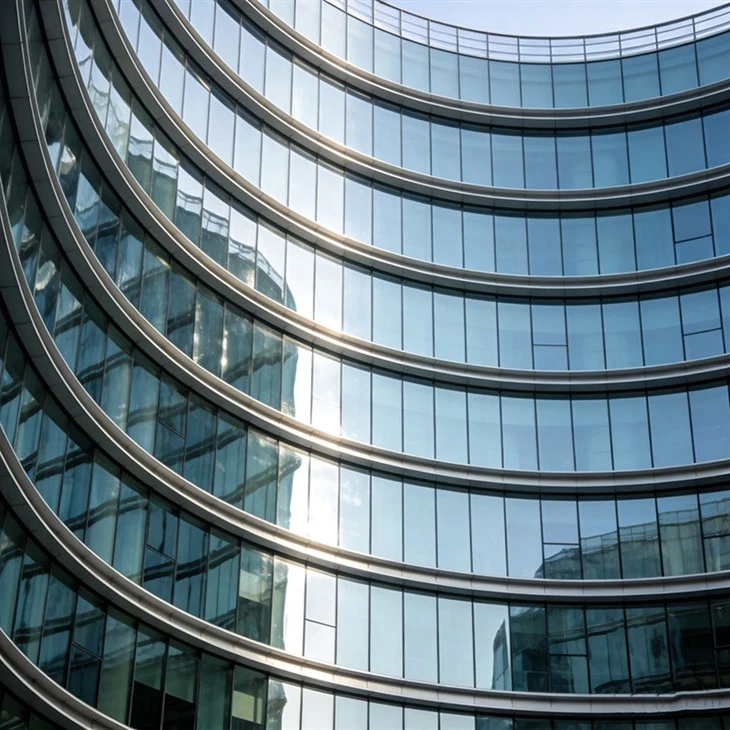
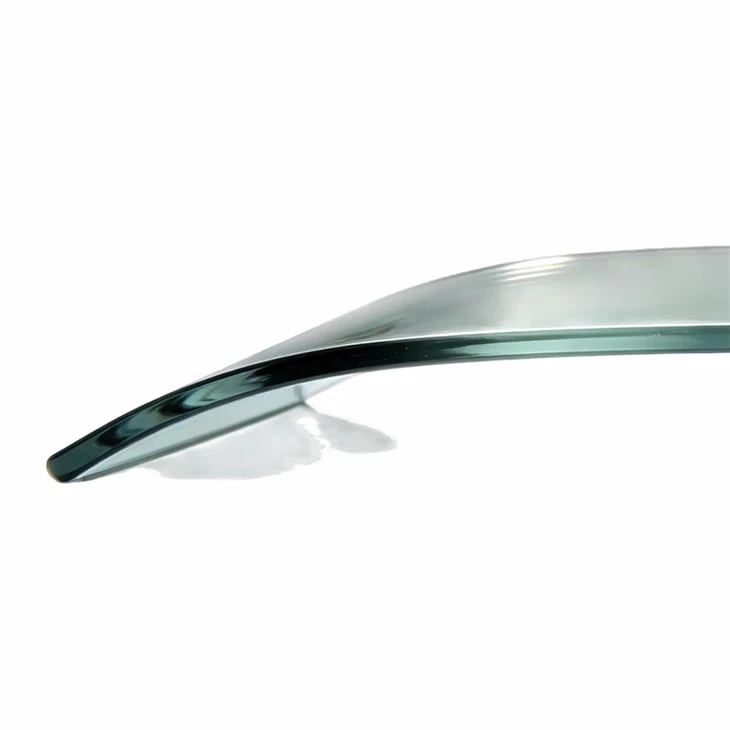
You also need to check the structural integrity of the building where the glass will be installed. Curved Low - E Glass can be a bit heavier than regular flat glass due to its shape and the special coating. The support structure should be able to handle the weight without any issues. A structural engineer's assessment might be a good idea, especially for large - scale projects.
Frame and Sealant Requirements
The frame is a crucial part of the installation. It holds the Curved Low - E Glass in place and provides support. The frame material should be compatible with the glass. Usually, aluminum frames work well because they are lightweight, strong, and corrosion - resistant.
The frame needs to be precisely fabricated to match the curvature of the glass. Any misalignment can lead to stress on the glass, which might cause it to crack over time. It's important that the frame's dimensions are accurate, with a tolerance of no more than a few millimeters.
When it comes to sealants, you need a high - quality one. The sealant not only helps to keep the glass in place but also provides a barrier against air and water infiltration. Silicone - based sealants are a popular choice because they are flexible, durable, and can withstand different weather conditions. Make sure the sealant is applied evenly around the edges of the glass and the frame.
Handling and Transportation
Curved Low - E Glass is delicate, so proper handling and transportation are essential.
During transportation, the glass should be packed in a special cradle that matches its curvature. This helps to prevent any bending or shifting of the glass. The cradle should also have some cushioning material to absorb shocks during transit.
When moving the glass on - site, use gloves to avoid leaving fingerprints. Fingerprints can be hard to clean off and may damage the special coating. Also, use proper lifting equipment like suction cups to lift and position the glass. Never drag the glass across a rough surface as it can scratch the coating and weaken the glass.
Installation Process
The installation of Curved Low - E Glass should be done by experienced professionals.
First, the frame is installed in the prepared area. Make sure it's level and plumb. If the frame is not properly aligned, the glass won't fit correctly.
Then, the Curved Low - E Glass is carefully placed into the frame. The edges of the glass should align with the frame's grooves. Once in place, the sealant is applied around the perimeter.
After the sealant is applied, it needs to cure. The curing time can vary depending on the type of sealant used and the environmental conditions. Usually, it takes a few hours to a couple of days. During this time, try to keep the area around the glass free of any disturbances.
Environmental Considerations
The environment where the Curved Low - E Glass is installed matters a lot.
The temperature and humidity during installation should be within the recommended range. Extreme temperatures can affect the sealant's curing process and the glass's performance. For example, if it's too cold, the sealant might not cure properly, leading to leaks later on.
Exposure to direct sunlight can also be a factor. If installed in a sunny location, the glass should be able to handle the heat. Curved Low - E Glass is designed to reduce heat transfer, but in very hot climates, additional shading or ventilation might be needed.
Comparison with Other Curved Glass Types
Let's compare Curved Low - E Glass with other curved glass types.
Curved Ultra Clear Glass offers high transparency, which is great for applications where you want an unobstructed view. However, it doesn't have the energy - saving properties of Curved Low - E Glass.
Curved Tinted Glass can reduce the amount of sunlight and heat entering a building. But it might not be as effective as Curved Low - E Glass in terms of long - term energy efficiency.
Maintenance After Installation
Once the Curved Low - E Glass is installed, regular maintenance is important.
Clean the glass with a mild glass cleaner and a soft cloth. Avoid using abrasive cleaners or tools as they can scratch the coating. Check the sealant periodically for any signs of wear or damage. If you notice any issues, have them repaired as soon as possible to prevent air and water leakage.
Why Choose Our Curved Low - E Glass
Our Curved Low - E Glass is top - notch. We use the latest technology to produce glass with the best possible energy - saving performance. The coating is durable and long - lasting, ensuring that your building stays energy - efficient for years to come.
We also offer excellent customer service. Our team of experts can help you with any questions you have about installation, maintenance, or any other aspect of Curved Low - E Glass.
Contact Us for Purchase and Consultation
If you're interested in purchasing Curved Low - E Glass for your project, we're here to help. Whether you're an architect, a contractor, or a building owner, we can provide you with the right product and support. Just reach out to us, and let's start a conversation about how our Curved Low - E Glass can meet your needs.
References
- S. Ashdown, "Glass in Construction: A User's Guide", Wiley, 2015.
- B. G. Collings, "The Properties of Glass", Oxford University Press, 2018.
- C. Boothroyd, "Architectural Glass: A Guide to Specification", Elsevier, 2019.
Send Inquiry