


What materials are used in an Acoustic IGU?
Nov 23, 2026
Leave a message
Hey there! As a supplier of Acoustic IGU, I'm super stoked to chat with you about the materials that go into making these amazing products. Acoustic Insulated Glass Units (Acoustic IGU) are designed to reduce noise transmission, making them a top choice for buildings in noisy areas like near airports, busy streets, or industrial zones. So, let's dive right in and explore what makes up an Acoustic IGU.
Glass Panes
The most obvious component of an Acoustic IGU is the glass itself. We usually use high - quality float glass as a base. Float glass is made by floating molten glass on a bed of molten tin, which results in a very flat and smooth surface. It's clear, strong, and provides a good starting point for further processing.
But for better acoustic performance, we often turn to Laminated IGU. Laminated glass consists of two or more layers of glass bonded together with a polyvinyl butyral (PVB) interlayer. This interlayer acts like a shock absorber, reducing the vibrations that carry sound. When sound waves hit the glass, instead of passing straight through, the PVB layer dissipates the energy, resulting in less noise getting into the building.
Another option for enhanced acoustic performance is Triple Low - E Glass. Low - E (low emissivity) glass has a thin coating that reflects heat and can also help with sound insulation. The triple - layer design adds an extra level of protection against noise, as each layer can disrupt the sound waves in different ways.
Spacer System
The spacer system is a crucial part of an Acoustic IGU. It separates the glass panes and creates an air or gas - filled cavity between them. A good spacer should be able to maintain the distance between the glass panes over time and prevent moisture from entering the cavity.
We commonly use aluminum spacers. Aluminum is lightweight, strong, and has good thermal properties. It can be easily formed into the right shape to fit the edges of the glass panes. Some of our spacers are also filled with desiccant, which is a material that absorbs moisture. This helps to keep the cavity dry and free from condensation, which could otherwise reduce the acoustic performance of the IGU.
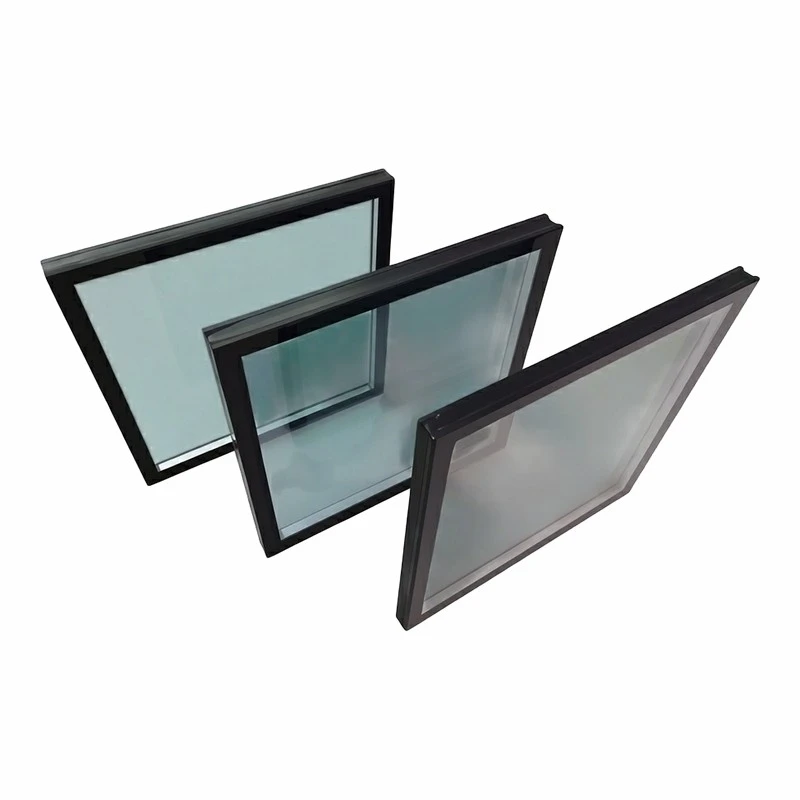
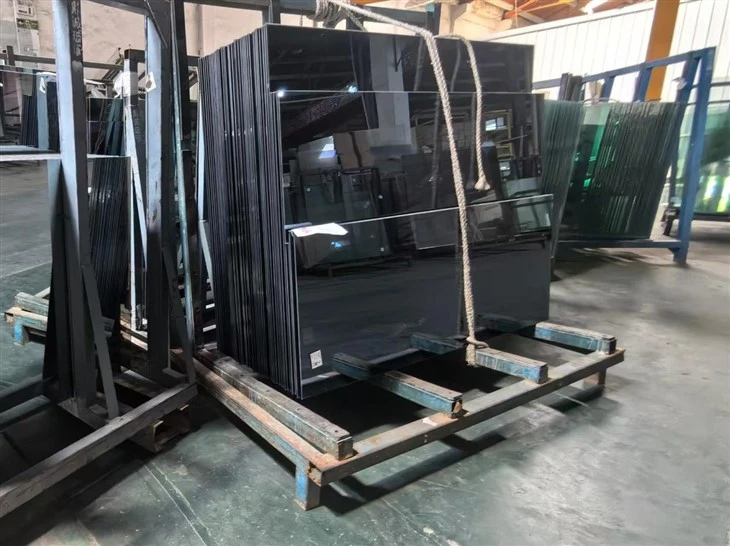
There are also warm - edge spacers available. These spacers are designed to reduce heat transfer at the edge of the glass, which is important for energy efficiency. They can be made from materials like plastic or composite materials. By reducing heat transfer, warm - edge spacers not only help with energy savings but can also contribute to better acoustic insulation by minimizing thermal movements that can affect the glass panes.
Gas Fill
The cavity between the glass panes in an Acoustic IGU is often filled with a gas to improve its performance. The most common gas we use is argon. Argon is an inert gas, which means it doesn't react with the glass or other components of the IGU. It has a higher density than air, which helps to slow down the transmission of sound waves.
Krypton is another option, although it's more expensive. Krypton is even denser than argon, so it can provide better acoustic insulation. However, due to its high cost, it's usually used in high - end applications where maximum noise reduction is required.
Filling the cavity with gas also has energy - saving benefits. It reduces heat transfer through the window, making the building more energy - efficient. This aligns with the popularity of Energy Saving Glass in the market.
Sealants
Sealants play a vital role in an Acoustic IGU. They are used to seal the edges of the glass panes and the spacer system, creating an airtight and watertight seal. This prevents air, water, and moisture from entering the cavity, which is essential for maintaining the integrity and performance of the IGU.
We use a combination of primary and secondary sealants. The primary sealant is usually a butyl rubber. Butyl rubber has excellent adhesion properties and provides a good initial seal. It helps to prevent gas from leaking out of the cavity and moisture from getting in.
The secondary sealant is typically a silicone or polyurethane sealant. These sealants are more flexible and provide long - term durability. They can withstand changes in temperature and weather conditions, ensuring that the IGU remains sealed and functional for years to come.
Additional Considerations
For extreme noise reduction requirements, we might also consider using Triple Glazed Glass. Triple glazed glass consists of three glass panes with two cavities in between. This additional layer of glass and cavities provides more opportunities to disrupt sound waves, resulting in even better acoustic performance.
The thickness of the glass panes also matters. Thicker glass can generally block more sound, but it also adds weight and cost. So, we need to find the right balance based on the specific needs of the project.
In some cases, we can also add special coatings or films to the glass to further enhance its acoustic properties. These coatings can change the way sound waves interact with the glass, providing an extra layer of noise reduction.
As a supplier of Acoustic IGU, we understand that every project is unique. Whether you're building a residential home, a commercial office, or an industrial facility, we can work with you to select the right combination of materials to meet your acoustic and energy - efficiency goals.
If you're interested in learning more about our Acoustic IGU products or have a specific project in mind, don't hesitate to reach out. We're here to help you make the best choice for your building. Let's start a conversation about how we can work together to create a quieter and more comfortable environment.
References
- Glass Association of North America. Guide to Insulated Glass Units.
- American Architectural Manufacturers Association. Performance Standards for Acoustic Glass.
So, there you have it! A comprehensive look at the materials used in an Acoustic IGU. If you want to know more or are thinking about placing an order, just get in touch, and we'll be happy to assist you.
Send Inquiry