


Are clear glass panels suitable for coastal areas?
Sep 18, 2026
Leave a message
Are Clear Glass Panels Suitable for Coastal Areas?
As a supplier of Clear Glass Panels, I often encounter inquiries from customers in coastal regions about the suitability of our products. Coastal areas present a unique set of environmental challenges, and understanding how clear glass panels perform under such conditions is crucial for making informed decisions in architectural and interior design projects.
Environmental Challenges in Coastal Areas
Coastal environments are characterized by several factors that can potentially affect building materials, including clear glass panels. One of the most significant challenges is the high salt content in the air. Saltwater aerosols are constantly carried by the wind from the ocean, and when they come into contact with glass surfaces, they can cause corrosion over time. The salt particles can adhere to the glass, and in the presence of moisture, they form a corrosive solution that gradually eats away at the glass's surface, leading to pitting, clouding, and a reduction in transparency.
Another concern is the prevalence of strong winds and storms in coastal areas. These extreme weather events can generate high-velocity winds that carry debris, such as sand, shells, and small branches. The impact of these projectiles on clear glass panels can cause cracks or even shatter the glass if it is not properly designed and installed to withstand such forces. Additionally, the constant exposure to wind can subject the glass to significant pressure differentials, which may also contribute to structural failure if the glass is not adequately supported.
Sunlight intensity is also a factor to consider in coastal areas. The combination of clear skies and the reflective properties of the ocean can result in higher levels of solar radiation. Prolonged exposure to ultraviolet (UV) rays can cause some types of glass to discolor or degrade over time, affecting both the aesthetic appeal and the performance of the clear glass panels.
Advantages of Clear Glass Panels in Coastal Areas
Despite these challenges, clear glass panels offer several advantages that make them a popular choice for coastal architecture and design. One of the primary benefits is their ability to provide unobstructed views of the ocean and the surrounding coastal landscape. The transparency of clear glass allows natural light to flood into interior spaces, creating a bright and airy atmosphere that enhances the overall living experience. This connection to the outdoors can also have a positive impact on mental well-being, as it provides a sense of openness and tranquility.
Clear glass panels also contribute to energy efficiency in coastal buildings. By allowing natural light to penetrate deep into the interior, they reduce the need for artificial lighting during the day, resulting in lower energy consumption and cost savings. Additionally, modern clear glass technologies, such as low-emissivity (Low-E) coatings, can help to control the transfer of heat, keeping interior spaces cooler in the summer and warmer in the winter.
In terms of aesthetics, clear glass panels offer a sleek and contemporary look that can complement a wide range of architectural styles. They can be used to create a sense of continuity between the interior and exterior, blurring the boundaries between indoor and outdoor living. Whether used in large-scale curtain walls, windows, or doors, clear glass panels can add a touch of elegance and sophistication to any coastal property.
Types of Clear Glass Panels for Coastal Areas
To address the specific challenges of coastal environments, we offer a variety of clear glass panel options that are designed to provide enhanced durability and performance.
Ultra Clear Tempered Glass: This type of glass is made from high-quality silica with a very low iron content, which gives it exceptional clarity and transparency. The tempering process further strengthens the glass, making it more resistant to impact and thermal stress. Ultra clear tempered glass is an excellent choice for coastal areas where clear views and durability are essential.
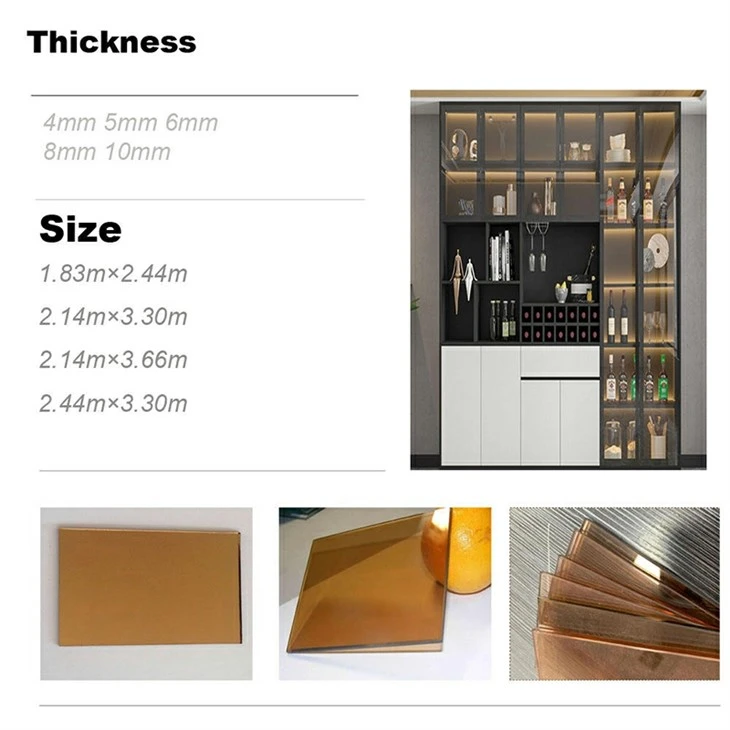
Bronze-tinted Tempered Glass: The bronze tint not only adds a touch of style but also provides some protection against solar radiation. It helps to reduce glare and heat gain, making it more comfortable to live and work in coastal buildings. Like ultra clear tempered glass, bronze-tinted tempered glass is also tempered for increased strength and safety.
Low Iron Toughened Glass: Similar to ultra clear tempered glass, low iron toughened glass has a low iron content, which minimizes the greenish tint commonly associated with regular glass. It offers high light transmission and excellent clarity, making it ideal for applications where a clear view is desired. The toughening process makes it more resistant to breakage and enhances its overall durability.
Coated Tempered Glass: Coated tempered glass is treated with special coatings that provide additional benefits, such as improved energy efficiency, UV protection, and self-cleaning properties. For coastal areas, coatings can also help to prevent the build-up of salt and dirt on the glass surface, reducing the need for frequent cleaning.
Installation and Maintenance Considerations
Proper installation is crucial for ensuring the long-term performance of clear glass panels in coastal areas. It is important to work with experienced professionals who understand the unique requirements of coastal construction. The glass panels should be installed with appropriate seals and gaskets to prevent water and saltwater intrusion. Additionally, the framing system should be designed to provide adequate support and flexibility to accommodate the movement caused by wind and temperature changes.
Regular maintenance is also essential to keep clear glass panels in good condition. In coastal areas, it is recommended to clean the glass panels at least once a month to remove salt deposits and dirt. A mild detergent and a soft cloth or sponge can be used for cleaning. Avoid using abrasive materials or harsh chemicals, as they can scratch or damage the glass surface. Inspect the glass panels periodically for any signs of damage, such as cracks or chips, and have them repaired or replaced immediately to prevent further deterioration.
Conclusion
In conclusion, clear glass panels can be a suitable choice for coastal areas, provided that the right type of glass is selected and proper installation and maintenance practices are followed. The advantages of clear glass panels, such as their ability to provide unobstructed views, enhance energy efficiency, and add aesthetic appeal, make them a popular option for coastal architecture and design. By offering a range of high-quality clear glass panel products, including Ultra Clear Tempered Glass, Bronze-tinted Tempered Glass, Low Iron Toughened Glass, and Coated Tempered Glass, we are committed to helping our customers overcome the challenges of coastal environments and create beautiful, functional, and durable buildings.
If you are considering using clear glass panels in your coastal project, we would be happy to discuss your specific needs and provide you with expert advice and solutions. Please feel free to contact us to start a conversation about your procurement and explore how our products can meet your requirements.
References
- ASTM International. (2023). ASTM standards related to glass performance in harsh environments.
- International Building Code (IBC). (2023). Regulations for building materials in coastal areas.
- Glass Association of North America. (2023). Technical resources on glass selection and installation.
Send Inquiry