


How does energy saving glass deal with condensation?
Nov 18, 2026
Leave a message
Condensation on glass can be a persistent and frustrating issue in many buildings, whether residential or commercial. It not only obscures the view but can also lead to more serious problems such as mold growth, damage to window frames, and reduced energy efficiency. As an energy-saving glass supplier, we are well - versed in how our products effectively deal with condensation.
Understanding Condensation on Glass
Before delving into how energy - saving glass tackles condensation, it's essential to understand the underlying causes. Condensation occurs when warm, moist air comes into contact with a cold surface. When the temperature of the glass surface drops below the dew point of the surrounding air, water vapor in the air condenses into liquid water on the glass.
In a typical building, factors like the outside temperature, indoor humidity levels, and the thermal performance of the glass all play a role in the formation of condensation. For example, during cold winter months, the temperature difference between the warm interior and cold exterior can cause the glass surface temperature to drop significantly, increasing the likelihood of condensation.
The Role of Energy - Saving Glass in Preventing Condensation
Energy - saving glass is designed to improve the thermal efficiency of windows, which in turn helps to combat condensation. Several types of energy - saving glass are available, each with its unique properties that contribute to preventing condensation.
Low - E Glass
Low - emissivity (Low - E) glass is one of the most popular energy - saving glass options. It has a special coating that reflects heat back into the room, reducing the heat transfer through the glass. This keeps the glass surface warmer, making it less likely to reach the dew point of the surrounding air.
- Single Low - E Glass: Single Low - E Glass has a single layer of the low - E coating. It offers a basic level of energy efficiency and helps to reduce condensation. The coating reflects a significant amount of infrared heat, which helps to maintain a more consistent temperature on the glass surface. In a moderately cold climate, single Low - E glass can effectively reduce the occurrence of condensation compared to regular clear glass.
- Double Low - E Glass: Double Low - E Glass has two layers of the low - E coating. This provides enhanced energy efficiency and better condensation resistance. The additional coating layer further reduces heat transfer, keeping the glass surface warmer. In colder climates, double Low - E glass can make a substantial difference in preventing condensation, as it can maintain a higher surface temperature even when the outside temperature drops significantly.
- Triple Low - E Glass: Triple Low - E Glass takes energy efficiency to the next level with three layers of the low - E coating. It offers the highest level of heat reflection and insulation among Low - E glasses. In extremely cold climates or in buildings with high indoor humidity levels, triple Low - E glass is an excellent choice for preventing condensation. It can keep the glass surface warm enough to avoid condensation even under challenging conditions.
Argon Filled Glass
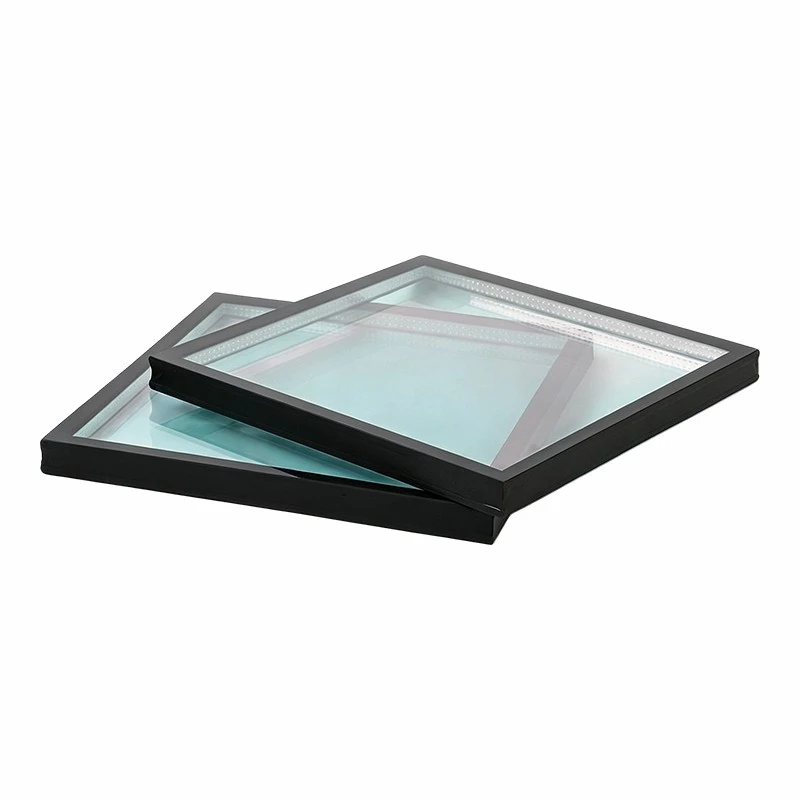
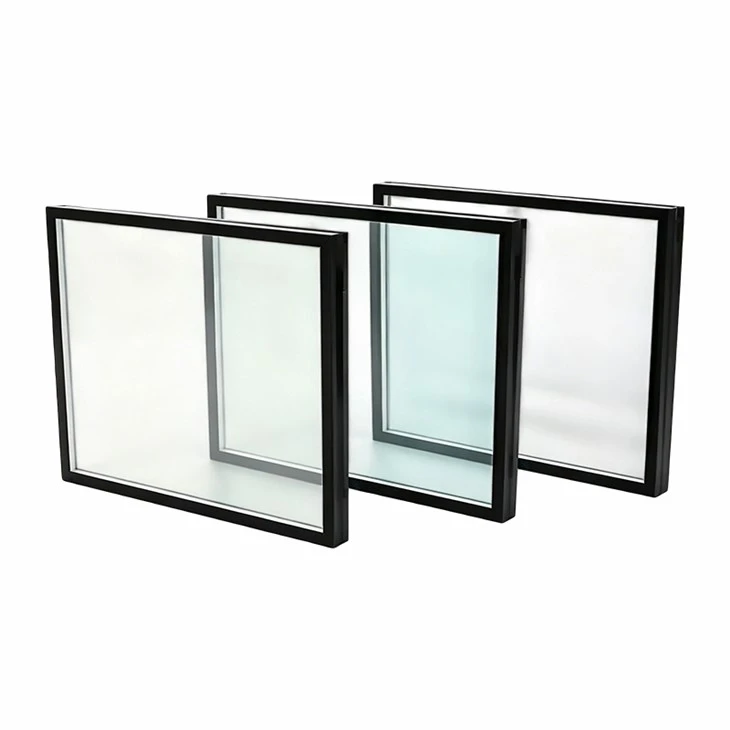
Argon Filled Glass consists of two or more glass panes separated by a sealed airspace filled with argon gas. Argon is an inert gas that has better insulating properties than air. When the airspace between the glass panes is filled with argon, it reduces heat transfer through the glass.
The reduced heat transfer helps to keep the inner glass pane warmer. Since the temperature of the inner glass surface is closer to the indoor temperature, it is less likely to cause condensation. Argon filled glass can be used in combination with Low - E coatings to provide even better energy efficiency and condensation control. For example, an insulated glass unit (IGU) with a Low - E coating and argon filling can significantly reduce the formation of condensation compared to a regular double - glazed window.
Laminated IGU
Laminated IGU is another type of energy - saving glass that can help with condensation. A laminated IGU is made by sandwiching a layer of polyvinyl butyral (PVB) between two or more glass panes. This not only provides safety and security benefits but also improves the thermal performance of the glass.
The PVB layer acts as an additional barrier to heat transfer, helping to keep the glass surface warmer. In addition, the sealed construction of the laminated IGU reduces air leakage, which can further improve energy efficiency and condensation control. Laminated IGUs can be customized with Low - E coatings and argon filling to enhance their performance in preventing condensation.
Real - World Applications and Benefits
Our energy - saving glass products have been widely used in various real - world applications, and the results in terms of condensation control are impressive.
In residential buildings, homeowners have noticed a significant reduction in condensation on their windows after replacing traditional glass with our energy - saving glass. For example, in a family home located in a cold climate region, the use of double Low - E, argon - filled glass has eliminated the problem of condensation that used to occur regularly on the old windows. This has not only improved the visibility through the windows but also reduced the risk of mold growth and damage to the window frames.
In commercial buildings, such as office spaces and shopping malls, the use of our energy - saving glass has had a similar positive impact. The reduced condensation means a more comfortable indoor environment for employees and customers. It also helps to maintain the aesthetic appeal of the building's facade, as condensation - free windows look cleaner and more professional.
Technical Analysis of Condensation Prevention
From a technical perspective, the performance of energy - saving glass in preventing condensation can be measured by several parameters. One of the key parameters is the U - factor, which measures the rate of heat transfer through the glass. A lower U - factor indicates better insulation and a lower likelihood of condensation.
The solar heat gain coefficient (SHGC) also plays a role. While SHGC is more related to solar heat gain, it can indirectly affect condensation. By controlling the amount of solar heat that enters the building, the temperature inside the building can be better regulated, which in turn can help to control the humidity levels and reduce the risk of condensation.
In addition, the surface temperature of the glass is a critical factor. Our energy - saving glass products are designed to maintain a relatively high surface temperature even in cold weather. By using advanced coatings and gas - filling techniques, we can ensure that the glass surface temperature remains above the dew point of the indoor air, preventing condensation from forming.
Why Choose Our Energy - Saving Glass
As an energy - saving glass supplier, we take pride in offering high - quality products that are backed by extensive research and development. Our glass is manufactured using the latest technologies and highest - quality materials, ensuring optimal performance in preventing condensation.
We also provide customized solutions to meet the specific needs of our customers. Whether it's a small residential project or a large - scale commercial development, we can recommend the most suitable type of energy - saving glass based on the climate, building design, and budget.
Invitation to Contact for Purchase
If you are facing condensation problems on your windows or are looking to improve the energy efficiency of your building, our energy - saving glass products are the ideal solution. We invite you to contact us for a detailed consultation and to discuss your specific requirements. Our team of experts is ready to provide you with professional advice and support throughout the purchasing process.
References
ASHRAE Handbook – Fundamentals. American Society of Heating, Refrigerating and Air - Conditioning Engineers.
“The Window and Door Buyer's Guide”. National Fenestration Rating Council.
Insulating Glass Manufacturers Alliance. Technical publications on insulated glass performance.
Send Inquiry